
The Best Keto Pre Workout Snacks And Meals To Buy Or Make

The best keto pre-workout snacks and meals are the ones that adequately fuel your routine without
kicking you out of ketosis (at least for more than an evening) and leave you feeling at the top of
your game. When fueling for the gym on the keto diet, every individual is a little different. But
that doesn't mean there aren't some basic guidelines to follow.
Understanding your needs based on the way you train, your own metabolic patterns, and the basic
guidelines we'll lay out can help you stay true to your low-carb diet while still maintaining or
growing muscle mass and burning fat in the gym.
What you eat before you hit the gym is an important detail in your training efforts. Proper
fueling will give you the energy and stamina you need to reach your goals. Let's dive in.
17 Keto Pre Workout Ideas
There are so many options out there for ready-made keto snacks now that this diet has surged in popularity. Health food companies have scrambled to create the perfect keto snack for any situation so that keto dieters are always prepared. Some of these also happen to be great for pre-workout snacks.When hunting for the perfect snack, whether you're making it yourself or buying something in a package, you want to ensure that it has the following:Healthy fat: MCT oil, coconut oil, macadamia nut oil, avocado/avocado oil, grass-fed butter or gheeHealthy protein: almond butter, macadamia butter, coconut butter, peanut butter, Greek yogurt, whey protein isolate, or pea protein powderThe carbohydrate count and quality will depend on your personal workout style and metabolism. In some cases, you'll simply add some glucose powder to your protein shake. In other cases, you'll want to add a handful of berries to your yogurt or smoothie, and in other cases, the naturally-occurring carbs in nuts will be enough to fuel your workout. Just make sure that anything you make or buy contains either no added sweetener or only keto-friendly options like stevia, monk fruit, or erythritol.
Snacks To Buy

Superfat Keto Nut Butter achieves the right balance of protein, fat and carbs through their strategic blend of nut butters, MCT oil, and pink Himalayan salt. These snacks portable and convenient for on-the-go fuel, and since they're individually packaged and sealed, they're perfect for throwing into your gym bag on days you can't make something at home.

Stoka Bars are higher in fat than most of the other bars on this list. Coming in at 22 grams of fat per bar on the upper end and nine grams of protein, this bar is also very well-suited for pre- and post-workout nutrition.

Just the Cheese Bars have just one ingredient: cheese. Dehydrated cheese is shelf-stable and easy to grab on the go. It's also a great low-carb, high-fat, high-protein option with zero carbs, 12 grams of fat, and eight grams of protein per serving.

Perfect Keto snack bars are geared toward keto athletes. Ingredients include healthy nuts, MCTs and collagen protein. Also individually packaged, these bars work great on-the-go.

While protein powders require a little bit more planning than a bar or nut butter, you can keep a blender bottle in your gym bag for an easy drink on the go. Just add water. Team Keto Shakes provide healthy fats and 12 grams of protein from grass-fed whey in every serving.

Think! Keto Protein Bars are perfect for both pre- and post-workout nutrition. They're calibrated in perfect macro proportions for the keto diet and offer fast-acting whey and milk protein isolates to help you fuel up for serious work at the gym.

These bars by the Bulletproof Executive are higher in carbohydrates than most bars on this list, so proceed with these only when you plan to really sweat it out at the gym. They have 12-15 grams of fat per bar, 12 grams of protein and range by flavor from seven to 15 grams of carbs.
Snacks To Make At Home

Granola works at any time of day, not just breakfast. Make this keto granola recipe ahead for a ready-to-go snack filled with nuts, healthy fats, seeds, and coconut flakes any time you need it.

This delicious recipe Health Starts in the Kitchen combines keto ingredients for a satisfying snack pre-gym. Full-fat, plain Greek yogurt is high in protein and low in sugar. Add in a handful of berries and toasted nuts, and you have yourself a winner.

This recipe by Inspired Taste spices up the simple act of mashing an avocado into a hard-boiled egg or two by adding in some mayo, celery, and herbs. This super simple snack just takes a minute to make if you've already boiled your eggs and provides endless satisfaction with all the healthy fats and proteins you need to fuel your workout.

Fat bombs are the easiest way to get a burst of keto nutrition if you're wanting to make something at home. There are endless options and recipes to choose from, but this from What a Great Grandma Ate one is great because it features almond butter, coconut oil, and almond butter—all excellent sources of good quality fat and/or protein for your pre-workout.

Gnom Gnom Paleo came up with the perfect pre-workout smoothie if you add in the "optional" collagen peptides for protein. This one only takes a few minutes to make but is packed with powerful micronutrients and healthy fats from the coconut milk and avocado.

This is a great option if you're concerned about glycogen stores during your workout. Packed with strawberries, healthy fats from coconut milk and protein from almond butter, this delicious treat from Low Carb Yum will hit the spot. The strawberries add 10 net carbs, so adjust to fit your needs.

Another great fat bomb recipe featuring a bit of extra protein, this one by Butter Together Kitchen adds in a bit of caffeine to turbocharge your workout. A bit of instant coffee not only adds some nice rich flavor, it also helps keep your energy up at the gym.
Honorable Mentions
1. Nuts - Nuts are powerhouse foods full of both protein
and healthy fat. A small handful is enough to boost your energy levels and get you moving. For the
best keto nuts to consume, read here
2. One or two hard-boiled eggs - One egg contains
6.3 grams of protein
and 5.3 grams of fat, depending on the size of the egg.
3. Ham and Cream Cheese Roll-Up - If you are a sandwich
lover, you have to get creative when following a keto diet. Take a couple of thinly sliced pieces
of ham, spread cream cheese over them and roll them up for a high protein and fat snack good for
strength training.
12 Keto Pre Workout Meal Ideas
If you're in the camp that needs to eat a few hours before your workout and would rather eat a
meal than a snack, the best plan of action is to eat a keto meal packed with healthy fats,
protein, and veggies. If you're planning to stick with the SKD, your veggies should be leafy
greens or other low-carb veggie options cooked in coconut oil, ghee, or butter. If you're planning
to go with the CKD plan, you'll want to add in some sweet potato or other starchy vegetables to
get your carb-count up pre-workout. Fruit works too.
We've put together six breakfast ideas and six lunch or dinner ideas to help you get started.
Breakfast Ideas

If you're a fan of the Starbucks sous vide egg bites, you'll love this keto version by FlavCity. Bake a batch and you have breakfast ready for a few days in a row. These yummies feature eggs, full-fat cottage cheese, and sugar-free bacon, all excellent sources of fat and protein to fuel your morning gym session. Change the flavor by adding in some cooked veggies like spinach or bell peppers before your bake.

Oats are off-limits on the keto diet, but a hot breakfast cereal doesn't have to be. This recipe by Healthy Sweet Eats helps you stick to the keto plan with ingredients like hemp hearts, almond flour, shredded coconut, and flaxseed. These ingredients all pack a micronutrient punch in addition to supplying your breakfast with a healthy dose of protein and omega fats.

This creative take on a keto breakfast by Hey Keto Mama uses keto-friendly breakfast sausage as the bread. Add your favorite veggies to the omelet to take it up a notch in nutrition.

Waffles are such a great treat, not just because they’re delicious, but because you can enjoy them at home or on the go. This keto version by Easy Keto Living features coconut flour, heavy cream, and eggs with a twist of sweet with keto-friendly chocolate chips. Grab these and go for your pre-workout breakfast.

Ditch the Carbs spreads a tasty 2-egg omelet with cream cheese, herbs, and spices out into a thin “tortilla” for the perfect keto burrito vessel. Add your favorite keto-friendly fillings like avocado, bacon, and low-carb veggies, and you have the perfect keto pre-workout meal.

Twosleevers found a way to pack a delicious breakfast muffin with healthy fats and protein with ricotta cheese and almond flour. Give this sweet dessert a try if you’re looking for a portable keto breakfast before you hit the gym.
Lunch Or Dinner Ideas

If you thought you were out of luck in the bread department on the keto diet, think again. Cloud bread is a super easy way to get a bread-type sandwich vehicle back into your life. It's also a great way to add protein, healthy fat, and fiber into your meal without the carbs. Diet Doctor uses cloud bread to make the perfect BLT to fuel your afternoon routine.

This delicious turkey wrap by Iowa Girl Eats is so convenient for lunch you might forget it’s keto. Using lettuce as a tortilla, this tasty recipe features an easy homemade mayo, sugar-free bacon, and high-quality turkey.
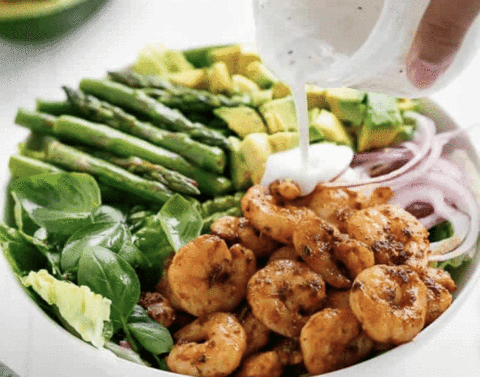
Cafe Delites tells us that this salad takes a mere 10 minutes to make. It packs a powerful lean protein punch with shrimp and healthy fats from avocado and yogurt dressing. With all these veggies, you’ll be sure to stay on top of your workout within hours of this meal.

Chicken salad is the perfect pre-workout meal. It’s high in protein and healthy fats, and if you add in chopped celery and seeds you’ve got a mix of micronutrients too. The Garlic Diaries kicks chicken salad up a notch by adding bacon, lettuce, and avocado.

Eazy Peazy Mealz isn’t a keto site, but this recipe was so good (without the optional brown rice) that we had to include it on this list. Anything with the right macros that can be prepared with one pan or pot is great for the busy keto athlete. This healthy mix of low-carb veggies, chicken, and olive oil gives you everything you need to fuel your workout.

Fried rice is a classic one-bowl meal if you add some protein like shrimp, grilled chicken, or a couple of eggs. This one uses riced cauliflower rather than rice to keep you in the keto zone. Top this recipe from Pure Wow with protein and you’re good to go with healthy carbs, fats, and protein for hours.
Best Pre Work Out Supplements For Keto Dieters
If you’ve been considering supplements to enhance your performance or enhance your keto efforts, we have a few recommendations for you. These recommendations are geared specifically for active keto dieters who are wanting a boost in the gym.

Exogenous ketones can help you get into fat-burning mode more quickly, especially when coupled with exercise. They’re also a great source of energy during your workout. Approved Science makes a great one that gets five-star reviews from keto experts across the web.

Creatine is an amino acid great for both pre- and post-workout nutrition. Studies show that it may improve performance during high-intensity workouts as well as and endurance training, which is great if you’ve found your performance slipping on the keto diet. Our favorite comes from Thorne. It’s NSF-certified and has only one ingredient: creatine monohydrate.

Caffeine actually increases the production of a ketone called beta-hydroxybutyrate. We mentioned added caffeine in one of our recommended smoothies, and that’s why. Caffeine can not only enhance the effects of your keto diet plan, but it can give you a boost of energy in the gym. And it’s a lot less expensive than exogenous ketones. Try making your own fatty coffee, or go for Bulletproof Cold Brew with collagen.
When To Start Exercising
In the initial stages of most diets, regardless of the tactics, experts recommend that you
temporarily ratchet down with your exercise routine. That's because most diets for weight loss,
including the ketogenic diet, ultimately involve at least some form of calorie restriction, and
working out is very calorie-intensive. The wisdom goes that if you work out hard at the same time
as you begin restricting calories, you'll have powerful cravings that will sabotage your ability
to stay on-plan.
In fact, while a calorie deficit is important for weight loss, working out will almost certainly
require you to up your food intake (specifically protein) in order to maintain your muscle mass.
Plus, exercise makes you hungry for more calories in general.
But the type of food you're eating is super important, as is the timing and nutritional content of
your pre-workout snack or meal. If you've been doing the keto diet for a while (at least one
month) and you're ready to get back into a good exercise routine, start slowly, and listen to your
body.
Timing Your Pre Workout Snacks And Meals
When you fuel will at least partially depend on your own body type and how you react to food in
your stomach during a hard workout. If you're they type who gets easily light-headed and weak, you
might want to fuel as soon as 30 minutes to one hour before hitting the gym. If you're a type who
gets queasy, experiences indigestion, or can feel food sloshing around in your belly at the gym,
you might try eating up to three hours before your workout.
In the case of the former: those who need some calories pretty close to your workout, you're
probably better off with a snack than a full meal. Snacks can range from a quick keto bar or fat
bomb to a mini-meal. In the case of the latter, those who need some time between eating and a good
workout, you might have a little more wiggle room with a full keto meal.
Type Of Keto For Your Work Out
When talking about the keto diet, most people are referring to the standard ketogenic diet (SKD). The standard version of the diet is a very low-carb plan in which 70% of your calories come from healthy fats, 25% come from proteins, and 5% come from carbs. The goal of all forms of the ketogenic diet is to reach a state of ketosis so that your body switches from burning glycogen (stored glucose) to burning ketone bodies. Your body makes ketones with both dietary and body fat, so the idea is that once your body starts burning fat for fuel, it'll burn through your dietary fats and move on to your body.
Mild To Moderate Workouts
The SKD is a great option for
mild- to moderate workouts. Low
and slow workouts like yoga, long walks or bike rides, light jogs, swimming, or a low-impact sport
like pickleball are all perfect candidates for those looking to keep moving on the keto diet. It's
when you start upping the intensity that you might need to make an adjustment.
The adjustment period and method is entirely individual. You might do just fine upping your
intensity on the keto diet, but as you work harder, your body might begin to demand more glycogen
than your diet provides, and you could run out of gas.
Moderate To High Intensity Work Outs
The two alternative forms of keto are called targeted keto (TKD) and cyclical keto (CKD). Both of
these options involve eating more carbohydrates before a hard workout in order to fuel your
muscles with glycogen and keep your performance level high.
In the case of the
TKD,
you'd want to fuel with a really easily-digestible carbohydrate (like plain glucose powder)
immediately before a workout (no more than one hour), and you'll want to start small and gradually
build up to what you feel your body needs. The goal is to hit your "target" glycogen needs without
going too far into a surplus and staying out of ketosis for a long time after your workout is
over. The other target is the timing itself. If you're doing a few high-intensity workouts per
week, you'll only want to use the TKD on those days and drop back to the SKD for the other days of
the week.
The CKD is
geared more toward extremely active athletes who do a lot of high-intensity interval training or
high-endurance sports. Think Crossfit, MMA fighting, distance cyclists, and triathletes, just to name a few. For this
type of high-fat plan, you're choosing more healthy carbs on the days you plan to go hard at the
gym. The timing is a little more lax than the TKD (just needs to be the same day you hit the gym
hard), and the foods you'd eat are slower carbs, including sweet potatoes, winter squash, legumes,
or whole grains.
For those on the CKD plan, on the days you're cycling, your ratios are basically the reverse of
the SKD: 60-70% carbs, 15-20% protein, and 5-10% fat. On your non-workout days, you'd go back to
the SKD. This is essentially the closest thing to "carb-loading" that the ketogenic diet can offer
to athletes.
In the End... Effort + Time = Results
Perfecting your keto meal plan is a process, but achieving perfection might not even need to be the goal. Everyone has a different set of circumstances and goals on the keto diet, but if you put in the effort over time, you’ll reach your goals. Pre-workout nutrition is one of many details to pay attention to along the way.By first focusing on healthy fats, proteins, and low-carb veggies before you even consider hitting the gym, you’ll get yourself started on the right track. Once you’re fat-adapted and feeling the clean energy generated by ketones, you’ll be ready to hit the gym and start tweaking your plan to optimize performance. Take your time and listen to your body. It’s the best messenger you have to measure success.

Toni Sicola
Toni is a wellness professional with a Master's in Integrative Health, is passionate about
spreading health, happiness, and personal fulfillment to as many people as possible. She has a
professional background in health and wellness, dietary supplements, and nutrition, and embarks
every day to live a well, balanced, happy life.
Published: February 2, 2021
Love this blog post? Share it on social!
WHAT TO READ NEXT
Keto on a Budget: How to Save Money and Still Eat Delicious Low-Carb Meals
Let’s talk about something that doesn’t get enough attention in the keto world: money.
Somewhere along the way, keto developed a reputation for being expensive. Grass-fed ribeye. Specialty flours. Imported oils. Packaged “keto everything.”
If you’ve ever looked at your grocery total and thought, “Is keto on a budget even possible?”, you’re not alone.
The good news? It absolutely is.
With a little planning and a focus on the right foods, you can eat satisfying, nutrient-dense, low-carb meals without overspending.
In this guide, we’ll show you exactly how to do keto on a budget, including cheap keto staples, smart shopping strategies, meal planning tips, and affordable snack solutions that actually make sense.

Why Keto Feels Expensive (But Doesn’t Have to Be)
When many people first go keto, they try to replace every carb-heavy food with a low-carb version:
-
Bread → almond flour bread
-
Pasta → specialty noodles
-
Cookies → keto cookies
-
Cereal → keto cereal
Those swaps add up fast.
But remember this: keto on a budget becomes much easier when you focus on whole foods first and specialty products second.
You don’t need fancy alternatives to succeed. You need:
-
adequate protein
-
healthy fats
-
fiber-rich vegetables
-
simple, repeatable meals
When you build around those, cheap keto meals become very realistic.
If you’re also working on consistency or overcoming stalls, you might enjoy our guide on Weight Loss, which pairs well with a simplified, budget-friendly approach.
Cheap Keto Staples to Always Keep on Hand
If your goal is affordable keto foods, start here.
These ingredients are inexpensive, versatile, and ideal for a budget keto meal plan.
Eggs.
→ One of the most cost-effective sources of protein and fat. Scramble them, boil them, bake them into frittatas… they’re endlessly flexible.
Chicken Thighs.
→ Often cheaper than breasts and higher in fat (which works beautifully for keto). Roast a tray and use leftovers throughout the week.
Ground Beef.
→ Affordable, filling, and perfect for meal prep. Taco bowls, lettuce wraps, stuffed peppers… endless options.
Cabbage.
→ Extremely budget-friendly and lasts a long time in the fridge. Great for stir-fries, soups, and slaws.
Frozen Vegetables.
→ Usually cheaper than fresh and just as nutritious. Broccoli, cauliflower, and spinach are staples.
Block Cheese.
→ Buying blocks instead of pre-shredded saves money and avoids added starches.
Nuts (in moderation).
→ Buy in bulk and portion them out to prevent overeating.
These foods form the backbone of keto on a budget: simple, satisfying, and sustainable.

Smart Grocery Strategies to Lower Your Keto Bill
1. Buy in Bulk (Strategically)
Family packs of meat are often significantly cheaper per pound. Divide and freeze portions immediately to prevent waste.
Ground beef and chicken are especially budget-friendly when purchased this way.
2. Choose Store Brands
Generic versions of
-
olive oil
-
butter
-
canned tuna
-
spices
-
frozen vegetables
are usually far more affordable and nearly identical in quality.
3. Shop Seasonal Produce
Zucchini in summer. Cauliflower in fall. Seasonal vegetables are almost always cheaper and fresher.
4. Keep Your Meals Simple
Trying to recreate high-carb comfort foods every week increases grocery costs.
Instead of constant substitutes, focus on straightforward meals built around protein and vegetables. If digestion is a concern, you might also appreciate our post on Gut Health on Keto.
Meal Planning: The Real Secret to Low-Carb on a Budget
Food waste quietly destroys budgets.
Planning just 3–4 core meals per week can dramatically reduce overspending.
Simple strategies:
-
Cook once, eat twice
-
Repurpose leftovers creatively
-
Keep breakfasts consistent
-
Plan snacks in advance
When you follow a simple budget keto meal plan, grocery trips become faster, cheaper, and far less stressful.

A Simple 3-Day Budget Keto Meal Plan (With Real Recipes)
Here’s what keto on a budget can look like in practice.
Day 1
Breakfast:
Scrambled eggs + sautéed cabbage with bacon

Lunch:
Ground beef bowl with broccoli + shredded cheese
Dinner:
Oven-roasted chicken thighs + zucchini
Day 2
Breakfast:
Hard-boiled eggs and cheese slices
Lunch:
Leftover chicken turned into a simple chicken salad with mayo
Dinner:

Day 3
Breakfast:
Omelet with leftover vegetables
Lunch:
Tuna salad with olive oil and avocado
Dinner:
Cabbage stir-fry + chicken

Notice what’s missing?
No specialty ingredients.
No expensive flour blends.
No complicated replacements.
Just affordable keto foods used creatively.
Affordable Keto Snacks That Actually Save You Money
Snacks can sabotage both your diet and your budget.
Frequent drive-thru stops or overpriced “health” convenience foods add up quickly.
Instead, build a cheap keto snack system:
-
Hard-boiled eggs
-
Portion-controlled nuts
-
Cheese cubes
-
Leftover protein
And yes: having a reliable keto snack on hand can prevent expensive impulse purchases.
This is where balanced, ready-to-go options like Keto Bars can help. When used intentionally (not mindlessly), they can bridge long gaps between meals and help you avoid costly, off-plan choices.
Common Budget Mistakes to Avoid
Even when trying to eat cheap keto meals, it’s easy to overspend if you:
-
Buy every new “keto” product
-
Shop without a list
-
Over-purchase fresh produce
-
Replace every carb-heavy dish with a low-carb version
Keeping things simple is often the most affordable strategy.

Final Thoughts: Keto Doesn’t Have to Be Fancy
Keto on a budget is not (at all) about deprivation. It’s about simplicity.
When you prioritize:
-
affordable protein
-
seasonal vegetables
-
meal planning
-
smart snack strategies
low-carb on a budget becomes completely doable.
You don’t need gourmet ingredients to succeed. You need reliable staples and a repeatable system.
Looking for more ways to simplify your keto lifestyle?
Explore our guides on
and stock up on
to fully enjoy your keto journey.
Your health goals and your wallet can absolutely coexist.
____
— Mariana Pinhão, in collaboration with Keto Bars.
Mariana is a wellness and nutrition writer who helps brands share trustworthy health content that readers actually enjoy. With a science background and a love for good food and kind living, she brings both accuracy and heart to every piece she writes.
Gut Health on Keto: What to Know, What to Eat, and What to Avoid
If you’ve been doing keto for a while and noticed changes in digestion (like bloating, constipation, or just feeling “off”) you’re probably not imagining things.
Gut health is one of the most misunderstood parts of the keto lifestyle, and it’s also one of the most important.
But don’t worry, it’s absolutely possible to maintain good gut health while following a keto lifestyle.
In fact, when done thoughtfully, a keto diet can support a healthy gut microbiome. You just need to know what to focus on.
In this guide, we’ll explore:
-
what’s really happening in your gut on keto,
-
which foods support digestion,
-
which ones may cause issues,
-
and how to build a keto-friendly routine that keeps your gut (and the rest of you) feeling good.

Why Gut Health Matters (Especially on Keto)
Your gut does a lot more than digest food. It plays a role in:
-
nutrient absorption
-
inflammation
-
metabolism
-
even mood and energy levels
When digestion is off, everything else tends to feel harder, including weight loss, energy, and cravings. You might feel sluggish, bloated, or “off” without knowing why.
Keto dramatically changes the types of foods you eat, so it’s completely normal for your gut to go through an adjustment phase at first.
The key is to not panic or give up, and go through that transition thoughtfully, with the right foods and habits that help your digestive system adapt and thrive.
Keto and the Gut Microbiome
Your gut microbiome is made up of trillions of bacteria that help break down food, absorb nutrients, and keep your digestive system running smoothly.
Many of these bacteria thrive on compounds found in fruits and vegetables, which is why there’s a common myth that keto “kills gut bacteria” simply because it’s low in carbs.
In reality, your gut bacteria don’t need sugar to survive.
What they truly need are fiber and fermentable compounds that reach the colon and act as fuel for beneficial microbes.
When you remove processed foods and sugar on keto, you’re often cutting out foods that feed less helpful bacteria. But if those foods aren’t replaced with fiber-rich, whole, low-carb options, beneficial bacteria can struggle as well.
That’s why some people feel amazing on keto, with improved digestion and energy, while others experience bloating or constipation.
The difference usually comes down to food quality, fiber intake, and variety, not carb intake alone.
Small adjustments in these three things can make a big difference.

Fiber on Keto: The Most Common Confusion
Let’s clear this up right away: fiber still matters on keto.
While keto is a low-carb way of eating, it’s not a “no fiber” diet.
Fiber plays a critical role in digestion, stool regularity, and feeding beneficial gut bacteria — all of which help keep your system running smoothly.
Most of the confusion comes from net carbs.
Fiber is technically a carbohydrate, but because it isn’t fully digested or absorbed, it doesn’t spike blood sugar. That’s why it’s subtracted when calculating net carbs:
Total Carbs - Fiber = Net Carbs
A common mistake is focusing so hard on keeping carbs low that fiber intake drops too far.
Over time, this can lead to constipation, bloating, and sluggish digestion. If keto digestion feels off, fiber is one of the first and easiest places to look.
Keto-friendly fiber sources include:
-
avocado
-
leafy greens
-
broccoli and cauliflower
-
zucchini
-
chia seeds
-
flaxseed
-
nuts and seeds (in moderation)
Resistant Starch: Helpful or Harmful on Keto?
Resistant starch is a type of carbohydrate that resists digestion in the small intestine and ferments in the colon, acting as food for beneficial bacteria.
This sounds great for gut health (and it is!) but on keto, it needs a balanced approach.
Some people tolerate small amounts of resistant starch very well, while others experience bloating or discomfort.
Keto-friendly sources (in small amounts) may include:
-
cooked and cooled cauliflower
-
green banana flour (very small quantities)
-
certain legumes (often not keto-friendly for everyone)
If you’re strict keto or prone to digestive issues, starting with fiber from low-carb vegetables is often a simpler and more comfortable place to begin.

Keto-Friendly Prebiotics
Prebiotics are compounds that feed beneficial gut bacteria and help them thrive. Luckily, you don’t need grains, sugar, or high-carb foods to get them.
Many keto-friendly foods are naturally rich in prebiotics, including:
-
asparagus
-
garlic
-
leeks
-
onions (in small amounts)
-
avocado
-
chicory root
These foods help support microbial diversity, which is one of the strongest indicators of a healthy gut. Diversity matters because different bacteria perform different roles, from digestion to immune support.
A simple rule of thumb: the more variety of low-carb vegetables you eat, the happier and more resilient your gut tends to be.
A note on tolerance:
Even keto-friendly prebiotic foods can cause bloating or discomfort if you add too much too quickly, especially if your gut has been sensitive or low in fiber for a while.
Start with small portions, introduce new foods gradually, and pay attention to how your body responds. When it comes to gut health, slow and steady usually wins.
Sweeteners and Gut Health: Proceed with Awareness
This is a big one — and a very common source of digestive trouble on keto.
Many keto-friendly sweeteners are technically low-carb, but that doesn’t automatically mean they’re easy on digestion.
Sugar alcohols, in particular, can cause bloating, gas, or diarrhea in some people, especially when consumed in larger amounts or on an empty stomach.
Common culprits include:
-
maltitol
-
sorbitol
-
xylitol
Erythritol tends to be better tolerated by many people because it’s absorbed differently, but even then, individual responses vary widely.
If you notice digestive discomfort after eating keto desserts or snacks, sweeteners may be part of the issue. This doesn’t mean you need to avoid them forever! It’s just that awareness and moderation matter.
Tip: Treat keto sweets as occasional additions, not daily staples, and pay close attention to how your body responds. Your gut will usually tell you what works and what doesn’t.

Everyday Digestion Tips That Make Keto Easier
Gut health is influenced by more than what you eat. How you eat and live also play a big role.
Even the best food choices can fall short if digestion is constantly under stress.
A few simple, everyday habits can make a big difference:
-
Hydration: Keto increases water loss, which can worsen constipation if you’re not drinking enough throughout the day.
-
Electrolytes: Sodium, potassium, and magnesium help support digestion, muscle function, and healthy gut motility.
-
Chewing slowly: It sounds simple, but taking your time with meals gives your digestive system a head start.
-
Stress management: Chronic stress disrupts gut function through cortisol and can slow digestion.
-
Gentle movement: A short walk after meals can support digestion and reduce bloating.
These lifestyle factors are easy to overlook, but when combined, they can make keto feel significantly more comfortable and sustainable.
Signs you might need more electrolytes:
-
constipation or sluggish digestion
-
headaches or dizziness
-
fatigue or low energy
-
muscle cramps or weakness
-
feeling “off” despite eating well
If these symptoms sound familiar, increasing electrolytes (especially sodium) can often make a noticeable difference.
Signs Your Gut Health Is Improving on Keto
As your gut adapts and becomes better supported, you may start to notice small changes, such as:
-
more regular bowel movements
-
less bloating or discomfort after meals
-
improved, steadier energy
-
fewer cravings (especially for sweets)
-
better mood and mental clarity
Gut healing takes time, and progress is rarely instant.
Often, improvements show up subtly: a calmer stomach, better digestion, or simply feeling more comfortable in your body.
These early signs are a good indication that your gut is moving in the right direction, even if everything isn’t perfect yet.

The Bottom Line
Gut health on keto doesn’t require adding carbs back in or abandoning the diet altogether. What it does require is intention, balance, and a bit of variety within your low-carb choices.
By prioritizing fiber-rich vegetables, being mindful with sweeteners, supporting hydration and electrolytes, and paying attention to how your body responds, keto can absolutely work with your gut.
Small, thoughtful adjustments often go much further than drastic changes.
As with most things in nutrition, there’s no one-size-fits-all approach. But when you support your gut, everything else (energy, digestion, mood, and even weight loss) tends to fall into place more naturally and sustainably.
Looking for more support?
Explore our other keto resources for realistic strategies, balanced snack ideas, and practical tips to make keto feel good for the long run.
-
Read about the foods you should avoid while doing keto.
-
Or, for better news, check out some keto-friendly foods!
-
And don’t forget to stock up on the best keto snacks ever!
— Mariana Pinhão, in collaboration with Keto Bars.
Mariana is a wellness and nutrition writer who helps brands share trustworthy health content that readers actually enjoy. With a science background and a love for good food and kind living, she brings both accuracy and heart to every piece she writes.
Why You’re Not Losing Weight on Keto (And What to Do About It)
You cut carbs. You’re skipping sugar. You’re choosing keto-friendly foods…
You’re doing everything right.
So why does the scale refuse to budge?
If you’re feeling frustrated or discouraged because the scale isn’t moving, take a deep breath. You’re not alone.
Weight loss stalls are incredibly common, especially after the initial “whoosh” many people experience in the first few weeks.
But the good news is that most keto plateaus have very fixable causes.
In this guide, we’ll walk you through the most common reasons people stop losing weight on keto and, more importantly, what you can do to get things moving again.
But don’t worry: as always, there’s no extreme dieting and no shame. Just practical, science-backed adjustments that actually work.

First Things First…
Is keto “not working”… or is your body just adjusting?
Before we dive into troubleshooting, it’s worth saying this out loud:
Weight loss is not linear.
Especially on keto.
In the beginning, a lot of weight loss comes from water loss as your body burns through stored glycogen.
Once that phase passes, fat loss becomes slower, steadier, and far less dramatic, even though it’s still happening.
If you’ve only been keto for a few weeks, a pause doesn’t mean you’re failing. It often means your body is transitioning from “adaptation” to “optimization.”
That said, if you’ve been consistent for a while and nothing is changing, let’s look at the usual suspects.
1. You’re Eating More Carbs Than You Think
One of the biggest reasons people stall on keto is hidden carbs.
Even foods labeled “keto-friendly” can quietly add up, especially when it comes to:
-
Sauces and dressings
-
Condiments (ketchup, BBQ sauce, marinades)
-
Flavored yogurts or creamers
-
Low-carb tortillas or breads
-
Sweeteners and sugar alcohols
It’s not that these foods are “bad”, a small bite here and there is fine. However, many small bites throughout the day add up, and can knock you out of ketosis without you realizing it.
What to do:
-
Track your carbs for a few days (not forever, just to recalibrate).
-
Read labels carefully, especially for “net carbs.”
-
Keep your base meals simple: protein, healthy fats, and low-carb veggies.
Awareness alone often solves this problem.

2. Keto Treats Are Sneaking In… A Little Too Often
Let’s talk about keto treats, because this one matters.
(We would know, right?)
Keto desserts, bars, fat bombs, and sweet snacks can absolutely have a place in a keto lifestyle. But they’re also easy to overdo, especially when they taste good and don’t spike blood sugar the way traditional sweets do.
The issue here is not carbs: it’s calorie density and appetite regulation.
When treats replace real meals or become an all-day nibble, fat loss can stall.
What to do:
-
Treat keto snacks as intentional.
-
Use them to bridge long gaps between meals or prevent impulsive choices.
-
Choose options made with clean ingredients and balanced macros, so one serving is actually satisfying.
A high-quality keto bar, for example, can be a great planned snack (especially when paired with more protein or eaten mindfully) rather than a grab-every-time-you’re-bored habit.
And yes, we’re a little biased, but choosing a high-quality keto bar made with clean fats and balanced macros can make all the difference. Our Keto Bars are very low carb, made with wholesome ingredients, and designed to actually keep you full and energized.
3. You’re Under-Eating
This one surprises a lot of people.
In an effort to “do keto right” (especially when weight management is one of the goals), some people unintentionally eat too little. This becomes even more pronounced after being on this diet for a while, because their appetite naturally decreases — and so do their portion sizes.
While short-term calorie reduction can help weight loss, chronically under-eating can backfire.
Your body responds by:
-
Lowering metabolic rate
-
Increasing stress hormones
-
Holding onto fat more tightly
What to do:
-
Make sure each meal includes enough protein and fat to feel truly satisfied.
-
Don’t skip meals just to speed things up.
-
Focus on nourishment, not restriction.
Keto works best when your body feels safe and well-fueled, not deprived.

4. Your Macros Might Be Off (Especially Protein)
Keto isn’t just about cutting carbs. Macros still matter.
A common mistake is going very high-fat while under-eating protein. While fat is essential on keto, protein plays a critical role in:
-
Preserving lean muscle
-
Supporting metabolism
-
Keeping hunger in check
Too little protein can slow progress and increase cravings.
What to do:
-
Aim for adequate protein first, then fill in the rest with fats.
-
Spread protein intake evenly throughout the day.
-
Choose whole-food protein sources when possible.
Think of protein as the foundation. Fat is meant to support it, not replace it.
5. Electrolytes Are Out of Balance
Keto changes how your body handles water and minerals. When carbs are low, your kidneys excrete more sodium, and with it, potassium and magnesium.
Low electrolytes can cause:
-
Fatigue
-
Cravings
-
Water retention
-
Poor workouts
-
Increased stress on the body
All of which can make fat loss harder.
What to do:
-
Don’t fear salt; most keto eaters actually need more of it. Himalayan sea salt is a great option.
-
Include potassium-rich foods like avocado and leafy greens.
-
Consider magnesium if you experience muscle cramps or poor sleep.
Sometimes the “plateau” isn’t fat-related at all. Sometimes, it’s due to hydration.
6. Stress, Sleep, and Hormones Are Being Ignored
You can eat perfectly and still stall if your lifestyle is working against you.
Chronic stress and poor sleep elevate cortisol, a hormone that tells your body to hold onto fat, especially around the midsection.
Ask yourself:
-
Are you sleeping at least 7 hours most nights?
-
Are you constantly rushing, worrying, or overtraining?
-
Are you using food (even if it’s keto-friendly food) to cope with stress?
What to do:
-
Prioritize sleep like it’s part of your diet (because it is).
-
Replace some of your hard workouts for gentle movement, mobility practices, or simple cardio.
-
Create routines that help your nervous system calm down.
Keto works best in a body that feels supported.

7. You’re Measuring the Wrong Things
The scale is a terrible storyteller.
Especially on keto.
Fat loss can happen alongside muscle gain, water shifts, and hormonal changes that don’t show up as a lower number.
What to do:
-
Track your body measurements and how your clothes fit
-
Take notes about your energy and hunger levels, as well as cravings
-
Take progress photos
Many people are making real progress long before the scale reflects it.
How to Get Back on Track Without Starting Over
If keto weight loss has stalled, here’s your reset plan:
-
Simplify meals for a week
-
Focus on protein and whole foods
-
Be mindful (not obsessive) with treats and snacks
-
Replenish electrolytes
-
Sleep more than you think you need
-
Reduce stress where possible
No detox. No extreme fasting. No “starting from scratch.”
Just small, smart adjustments.
The Bottom Line
If you’re not losing weight on keto, it doesn’t mean keto has failed. It means something needs fine-tuning.
Most plateaus are signals, not setbacks.
With a little awareness, a bit of patience, and a return to the basics, progress almost always resumes. Keto is about consistency, nourishment, and choosing tools that support your goals.
And remember: the goal isn’t just weight loss. It’s feeling good in your body in the long run.
Looking for more support?
Check out our other blog posts on keto-friendly snacks, balanced meal planning, and smart strategies to stay on track, like...
- Keto for Intermittent Fasting: Timing, Snacks, and Best Practices
- How To Do Keto On a Budget
- Working Out On Keto: A Complete Guide
You’ve got this.
____
— Mariana Pinhão, in collaboration with Keto Bars.
Mariana is a wellness and nutrition writer who helps brands share trustworthy health content that readers actually enjoy. With a science background and a love for good food and kind living, she brings both accuracy and heart to every piece she writes.

Keto Party Appetizers and Snacks That Will Impress Everyone
The holidays are in full swing!
Twinkling lights, cozy gatherings, tables piled high with treats. Food everywhere.
If you’re following a keto lifestyle, the party season can also feel a bit like a minefield: puff pastry, bread, sugar, high-carb everything. You’re left wishing there were some keto party appetizers or low-carb snacks nearby, right?
Well, you can relax, because we have some good news: you don’t have to sit quietly in the corner with a plain salad and a slice of cheese while everyone else grazes to their heart’s content.
With a little planning (and a few clever swaps), you can serve up delicious keto party appetizers and yummy low-carb snacks that even the non-keto guests will rave about.
In this guide, we’ll cover:
-
Simple tricks to “ketify” any appetizer
-
Crowd-pleasing keto appetizer recipes that look amazing on a buffet
-
Smart tips for hosting or bringing keto snacks to parties
Let’s bring flavor and health to this holiday season, and leave stress to the next year.

How to “Ketify” Any Appetizer
Keto entertaining doesn’t mean giving up your favorite party foods. It just means thinking a little differently about ingredients and textures.
Most classic party appetizers rely on flour, sugar, or bread for texture. Keto swaps work because they recreate that crunch or creaminess using fats and proteins instead of carbs.
So, here’s how to turn almost any crowd favorite into a low carb party snack:
Swap the Base
-
Instead of crackers: try cucumber rounds, mini bell pepper halves, or cheese crisps.
-
Instead of bread or pastry: use lettuce cups, mushroom caps, or almond flour mini toasts.
-
Instead of breading: coat chicken or shrimp in crushed pork rinds or almond flour for crunch without carbs.
Upgrade the Dips
Store-bought dips often hide sugar or starch thickeners. Make your own with:
-
Full-fat cream cheese or sour cream
-
Avocado for natural creaminess
-
Fresh herbs, spices, or shredded cheese for flavor
Watch Out for Sneaky Carbs
Even simple appetizers can surprise you. Keep an eye on:
-
Glazes (often sweetened with sugar or honey)
-
Ketchup- or barbecue-based sauces
-
Balsamic reductions
-
“Light” or “low-fat” dips (they usually replace fat with carbs)
When in doubt, make it yourself. You’ll get better flavor, and more peace of mind knowing exactly what’s inside.
Crowd-Favorite Keto Appetizers
Whether you’re hosting or bringing a dish to share, these keto snacks for parties are guaranteed hits. Here are some tried-and-true favorites that always disappear fast:

1. Air Fryer Bacon-Wrapped Jalapeño Poppers
Crispy, creamy, super easy, and wrapped in bacon. These are the ultimate crowd-pleasers. Filled with cream cheese and cheddar, they deliver all the indulgence of a cheesy appetizer without the carbs. Bake them just before serving for the best crunch.

2. Mini Caprese Skewers with Pesto Drizzle
Fresh, colorful, and elegant. Thread cherry tomatoes and mozzarella balls on toothpicks, then drizzle with a spoonful of keto-friendly pesto. These easy keto finger foods look fancy but take minutes to make.

3. Spinach and Artichoke Dip
This classic dip gets a keto upgrade when you skip the flour and thicken it with cream cheese and sour cream instead. Serve it warm with celery sticks, cucumber slices, or low-carb crackers. It’s rich, comforting, and always one of the first dishes to disappear.
Check out the recipe over here.

4. Cheese Crisps
Sometimes simple is best. Bake shredded cheese into golden rounds, and you’ve got the perfect crunchy keto snack. Pair them with dips or stack them with pepperoni for a makeshift “mini pizza.” Bonus: they store well, so you can make them ahead.
Recipe here, with a bunch of variations!

5. Stuffed Mushrooms
Meaty, savory, vegetarian, and perfectly bite-sized. Fill mushroom caps with a mix of cream cheese, herbs, and sharp cheddar. They’re warm, satisfying, and fit right in next to any traditional appetizer spread.

6. Deviled Eggs + 10 filling ideas
Classic, salmon, bacon, avocado, jalapeño… Deviled eggs are protein-packed, pretty, and easy to make in bulk. They’re the perfect grab-and-go bite that feels a little retro (in the best way).
Try any (or all) of these ideas.
Hosting Tips for a Keto-Friendly Spread
Whether you’re throwing the party or just bringing a dish to share, these tips make it easy to serve food that everyone (keto or not) will enjoy.
Mix Keto and Non-Keto Options
You don’t have to announce that everything’s low-carb. Include a few classic crowd favorites (like a veggie tray or meatballs) and mix in keto swaps. Most people won’t even notice they’re eating “healthy.”
Label Creatively
If you’re hosting, label dishes as “gluten-free” or “no added sugar” instead of “keto.” It makes them sound more universally appealing and keeps the focus on flavor.
Prep in Advance
Many keto appetizers are make-ahead friendly. Bacon-wrapped poppers, deviled eggs, and cheese crisps can all be prepped a day early and reheated or plated right before guests arrive.
Offer Smart Drink Options
Alcohol can be a carb trap at parties. Stick to dry wines, light spirits like vodka or gin, or sparkling water mocktails. Try our Refreshing Keto Cocktails for inspiration.
Hosting while keto is your chance to show everyone that low-carb food can be delicious, satisfying, and honestly better than the traditional options.
Snack Boards and Desserts
If there’s one thing every party needs, it’s a good grazing board – and an even better dessert. Here are a few keto appetizer recipes that turn snacking into something stylish, and some sweet keto recipes that make your soul happier.

7. Keto Charcuterie Boards
Charcuterie boards are all about abundance. Layer cured meats, aged cheeses, olives, nuts, and a few keto-friendly berries. For a fun twist, add chopped Keto Bars for a touch of sweetness. Guests will love the contrast.
Three ideas for you right here!

8. Peanut Butter Chocolate Dream Bars
No party is complete without dessert; that’s a fact. These rich, creamy bars have layers of peanut butter, chocolate, and whipped cream – totally keto and totally addictive. Slice them into squares, chill, and watch them vanish from the table.

9. Pumpkin Dessert Trio
Pumpkin is one of the most versatile vegetables out there, and wonderfully keto-friendly. Cakes, pies or breads (all low carb, of course) are great ways to use it in desserts. Plus: your guests won’t even know it’s all keto!
Choose your favorite pumpkin dessert.
How to Make Your Keto Snacks Stand Out
Even though these recipes are simple, presentation makes all the difference. A few tricks to elevate your spread:
-
Add color: use fresh herbs, cherry tomatoes, or bright berries for contrast.
-
Play with textures: pair crunchy cheese crisps with creamy dips.
-
Bring out the good china: fancy plates, small ceramic bowls, toothpick skewers, and wooden boards feel upscale.
-
Keep portions small: finger foods look more appealing (and stay lower in net carbs).
You can also make regular recipes keto-friendly by replacing:
-
Bread crumbs → almond flour or crushed pork rinds
-
Flour → coconut flour or cream cheese thickener
-
Sugar → erythritol or monk fruit sweetener
These little tweaks make your favorite dishes party-ready and keto-approved.
Final Thoughts: Celebrate Without Compromise
The holidays are all about joy, connection, and (yes, of course) good food.
With these keto party appetizers and snack ideas, you’ll be ready to bring something that fits your lifestyle and wows your guests.
You’ve got everything you need for a delicious, keto-friendly holiday. All that’s left is to enjoy it.
So go ahead: enjoy the party, grab a cheese crisp, and remember that staying keto doesn’t mean missing out. It just means getting creative – your taste buds will thank you for it.
Looking for more ways to keep your holidays keto-friendly?
Check out our Keto Holiday Survival Guide and our post on What to Do When You Mess Up on Keto for extra support and tips.
And, if you want to be up to date on Keto Bars and get fresh tips in your mailbox, don’t forget to subscribe to our newsletter below!
____
— Mariana Pinhão, in collaboration with Keto Bars.
Mariana is a wellness and nutrition writer who helps brands share trustworthy health content that readers actually enjoy. With a science background and a love for good food and kind living, she brings both accuracy and heart to every piece she writes.


